Real vs Faux Plants for Desk Decor: A Comparison for Busy UK Home Workers
A desk plant earns its keep by doing two jobs at once: it softens a corner of the room that would otherwise be all cables and coffee rings, and it gives your eyes somewhere to rest that isn’t a screen. The only real question is whether that plant should be alive. Both options work, but they fail in different ways, and the right answer comes down to your light, your travel habits and how much you enjoy the small fuss of keeping something growing.
Here is how they compare on the things that actually matter at a desk.
Maintenance: what each option asks of you
Real plants are not high-maintenance as a rule, but they are specific. A snake plant in a dim spare room might want water once a month; a peace lily two feet from a bright window will want far more, and will droop dramatically when it doesn’t get it. Learn one plant properly rather than collecting six and guessing.
Real plants
Most desk-friendly houseplants — devil’s ivy, spider plant, snake plant, ZZ plant, Chinese evergreen — cope with moderate light and irregular watering. Check the compost with a finger before you pour. If it is damp an inch down, wait. More houseplants are killed by a full watering can than by a fortnight of neglect. Feed sparingly in spring and summer, and expect growth to slow to almost nothing between November and February.
You will also deal with dropped leaves, dust on the foliage, the occasional fungus gnat, repotting when roots crowd the pot, and the possibility that a plant simply never settles in your conditions.
Faux plants
An artificial plant asks for a dusting every few weeks and a spot away from relentless direct sun, which fades fabric and plastic leaves over a year or two. That is more or less the whole list. No watering, no compost, no guilt about a fortnight away from home.
Cost: upfront versus over the years
The comparison is less obvious than it looks. A small real plant is usually inexpensive to buy, but the pot, the bag of compost, the feed and the occasional replacement add up, and plants you kill still cost money. A convincing faux plant costs more at the till than a supermarket spider plant, and cheap ones look cheap from across the room. Where the sums shift is time: if you travel or know you will forget, faux is one payment that stays looking the same for years. If you enjoy the routine, a real plant keeps paying you back in new growth — and in cuttings you can pot on for free.
Appearance and light
Real plants win on character and lose on predictability. They move: leaves lean towards the window, new growth appears, an old leaf yellows and needs pulling off. That is charming for about three weeks and mildly irritating thereafter, depending on your temperament.
Practical constraints matter more than looks here. A desk in a dark corner or beside a radiator will defeat most real plants, whatever the label in the shop claimed. North-facing rooms narrow your options considerably. If your only space is more than a couple of metres from a window, choose a snake plant or ZZ plant, or accept the artificial route. Faux plants can go anywhere, including the shelf above the radiator, but they need positioning to convince anyone.
Five ways to make a faux plant look convincing
- Buy fewer, bigger. One generous plant reads better than three apologetic little ones lined up along a shelf.
- Check the leaves in daylight. Flat, uniform colour and a plastic sheen give the game away. Look for varied tones and a matte finish.
- Bend the stems. The wire inside is there for a reason. Angle leaves in different directions so the plant is not perfectly symmetrical.
- Repot it. A convincing faux plant in a proper ceramic or woven pot looks twice the price of the same plant in the nursery pot it arrived in.
- Keep it out of direct sun and turn it now and then so one side does not fade faster than the other.
Wellbeing: what you can reasonably expect
Green things near your desk do seem to help people feel calmer and more settled, but it is worth being honest about how. A couple of small plants will not meaningfully clean the air in a normal room; opening a window does far more. The benefit is quieter than that — a reason to look up from the screen, a small routine that breaks the afternoon in two, and a bit of colour in a corner that is otherwise grey plastic and cable.
Faux plants deliver the visual break, and that is not nothing. What they cannot give you is the ritual. If watering something, or noticing a new leaf, is a useful pause between two long calls, that is the case for going real.
One caution: overwatered compost can go mouldy, and a damp, poorly ventilated room is not the place for a shelf of thirsty plants. If you have asthma, allergies or a persistent damp problem, speak to your GP or pharmacist before filling the space with greenery.
Choosing between them
If you are still undecided, work through these questions:
- Light. A window within a couple of metres and no radiator under the desk? Real is easy. Dark corner, only artificial light, or blazing sun on a south-facing sill? Go faux.
- Routine. Home most weeks and happy to check a plant every Sunday? Real. Away often, or likely to forget? Faux.
- Budget. If you would rather spend once and be done, faux wins over a couple of years. If you like the idea of free cuttings and a plant that grows into the space, real wins.
- Temperament. Do you enjoy watching something change, or does unpredictability irritate you?
- Mix. Plenty of desks suit one real plant for interest plus one tall faux plant for height, kept a little apart so the difference in texture is not obvious side by side.
Setting up your desk this week
Start with one plant, not five. Put it where you will actually see it — beside the monitor rather than behind it — and give it a month before adding anything else. If you go real, buy from somewhere you can see the plant’s condition, choose something that suits your light rather than your mood, and pick up a saucer at the same time. If you go faux, spend a little more on a single convincing piece and repot it properly.
And if it does not work out, swap it. A desk is a small space and it should hold things that make the working day easier, not one more item to feel guilty about.
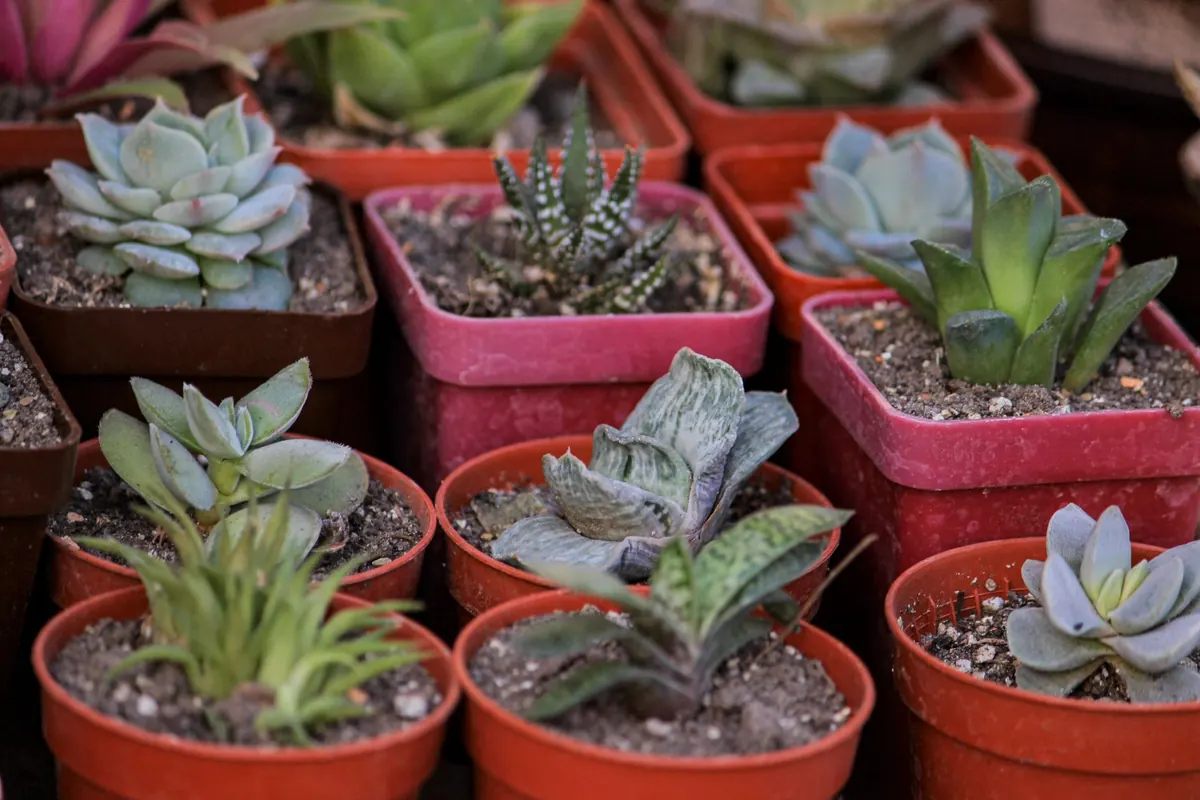
Photo: Natalia Sevruk / Pexels

How to Organise Cables and Chargers Without Hiding Your Desk Decor
Cable management that keeps chargers tidy without emptying your desk: simple routes, clips, trays and...
Spring Refresh: 10 Floral Desk Decor Ideas Using British Blooms
Ten seasonal arrangements for a spring desk using British-grown blooms, plus practical advice on choosing,...
About Us